Project Earth Lens was founded to bridge the widening gap between theoretical science education and applied engineering. While climate change and public health are increasingly linked, K-12 students rarely have access to the tools required to measure these connections.
Our initiative leverages low-cost technologies such as microcontroller sensors, computer vision AI, and biomedical monitoring tools to turn natural environments into "Living Laboratories." By documenting field experiments in diverse ecosystems (Alpine, Rainforest, and Urban), we produce open-source video modules and datasets that allow students anywhere to replicate our experiments.

OUR ACHIEVEMENTS
We are committed to educating our peers throughout the year 2026.
Lorem ipsum dolor sit amet, consectetur bibendum.
Lorem ipsum dolor sit amet consectetur bibendum
OUR MISSION
To democratize access to environmental data science and bio-engineering education. We create open-source curriculum that teaches students how to use low-cost sensors and artificial intelligence to monitor the vital signs of our planet, fostering a new generation of "One Health" engineers.


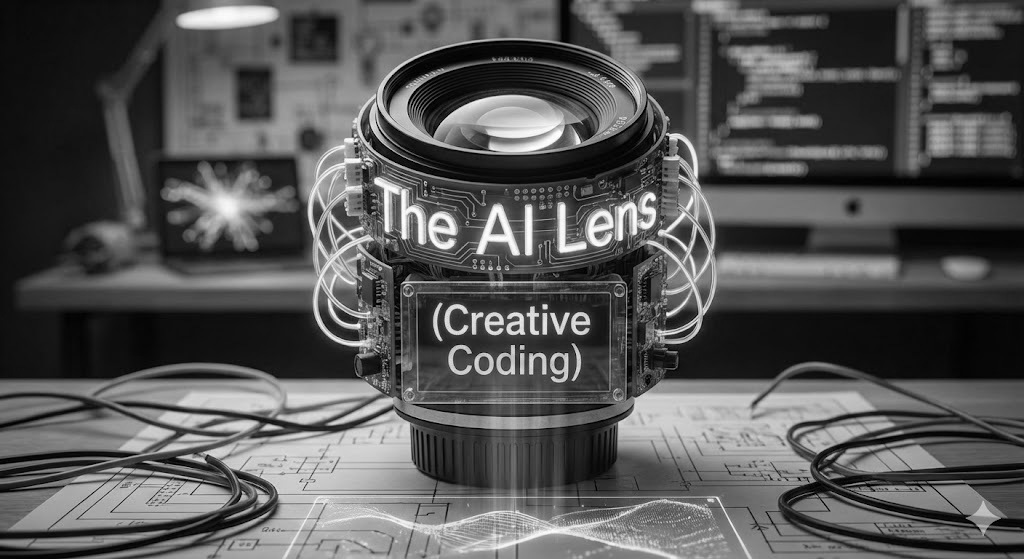
Using open source Computer Vision tools, we curate image datasets of biodiversity in critical biomes. Students learn the fundamentals of Machine Learning by training models to identify specific flora and fauna, demonstrating how AI can be used for rapid ecological surveys.


We deploy micro climate sensor arrays in high altitude environments to monitor snowpack thermodynamics and UV radiation levels. This module teaches students the physics of the "Albedo Effect" and how to log environmental data using IoT (Internet of Things) devices.


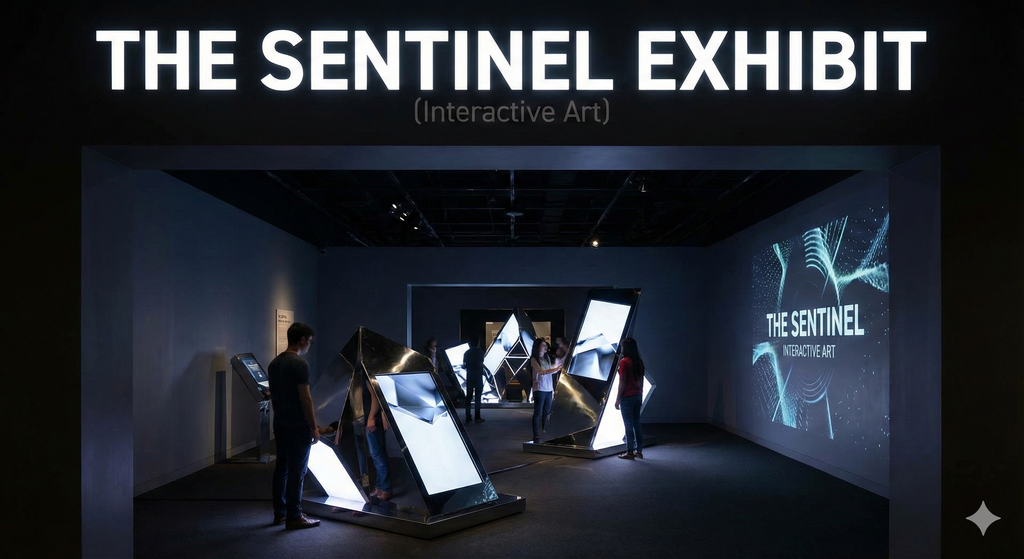
We establish "Sentinel" monitoring points to demonstrate the link between Environmental Quality (Air/Water) and Human Physiology. Workshops demonstrate how standard biomedical sensors (Pulse Oximeters, Spirometers) and environmental sensors (Particulate Matter monitors) can be used together to visualize the "One Health" concept.
An open-source educational initiative empowering youth to use bio-sensing technology and AI to monitor the intersection of ecosystem health and human health.